Project showcase website for Procedurally Generated Dungeon Crawler video game with Local LLM Integration.
Game Summary
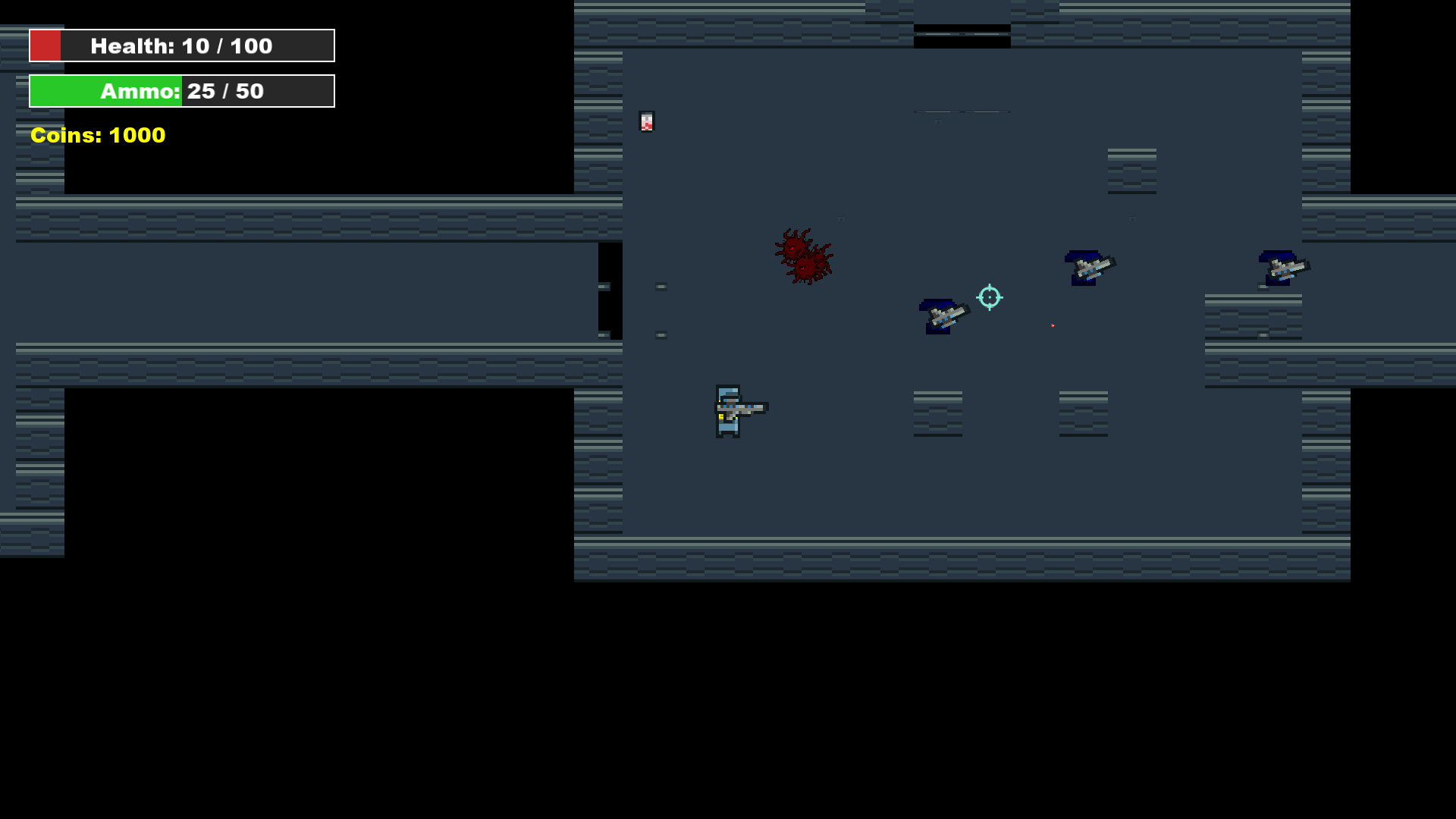
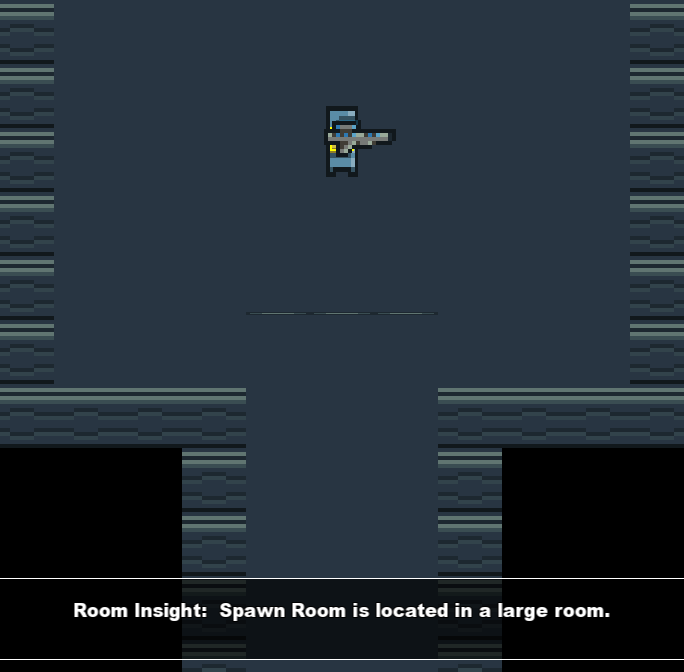
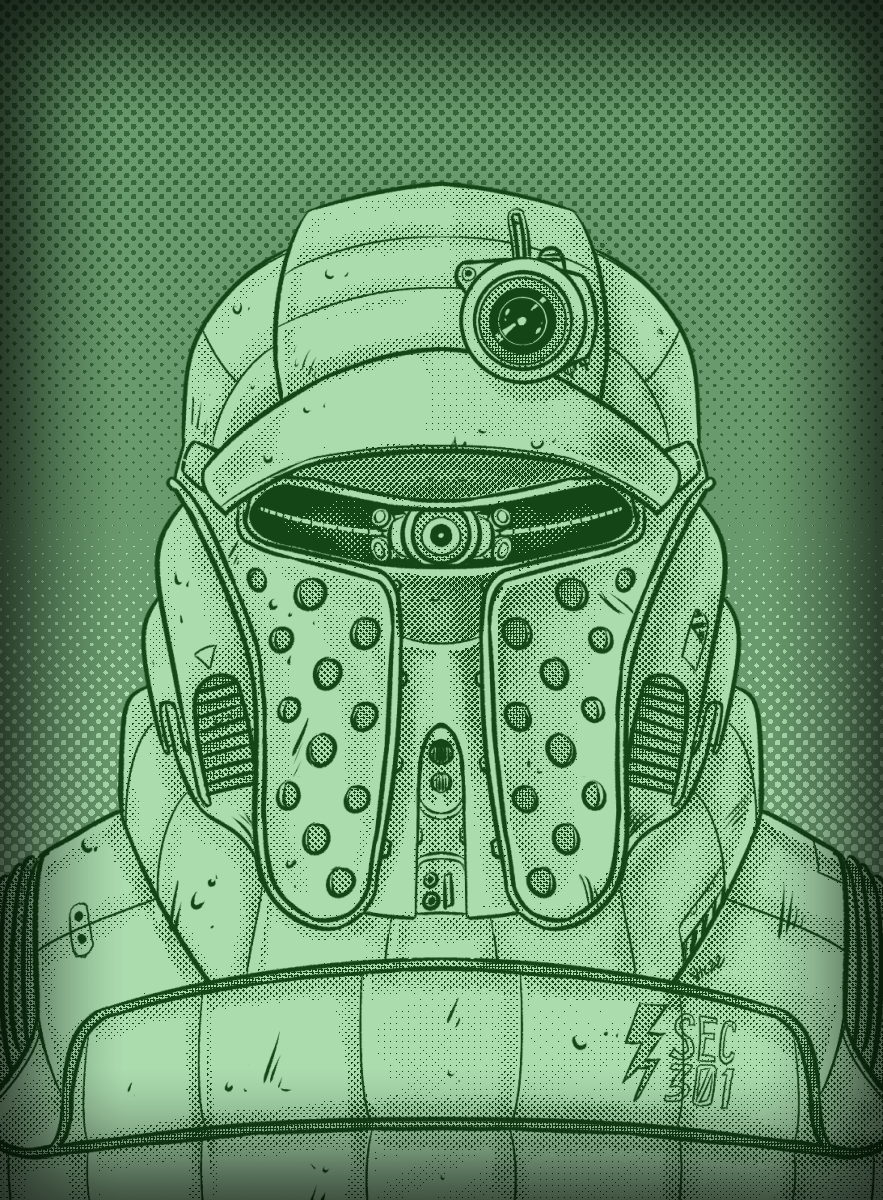
Space Raider is a 2D isometric dungeon crawler set in the Aquila galaxy.
You play as Isiah and run contracts from a hub ship into procedurally generated dungeon ships.
Important Highlights
Feature Set
Seeded dungeon runs, dynamic quests, high score chase, and multi-weapon combat.
LLM Features
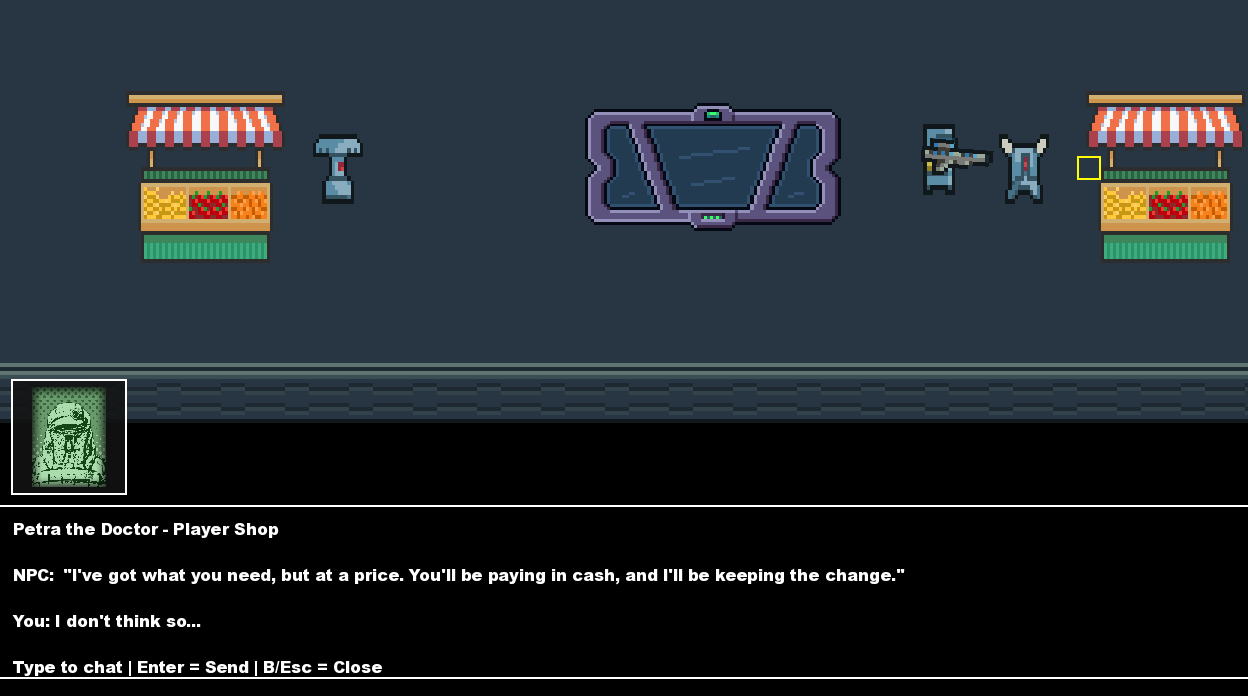
Local inference powers NPC dialogue, generates quest lore that fits the current mission context, and produces room insight text that reacts to the player’s situation.
Player Features
Character customisation, stat upgrades, weapon upgrades, and fast loadout switching.
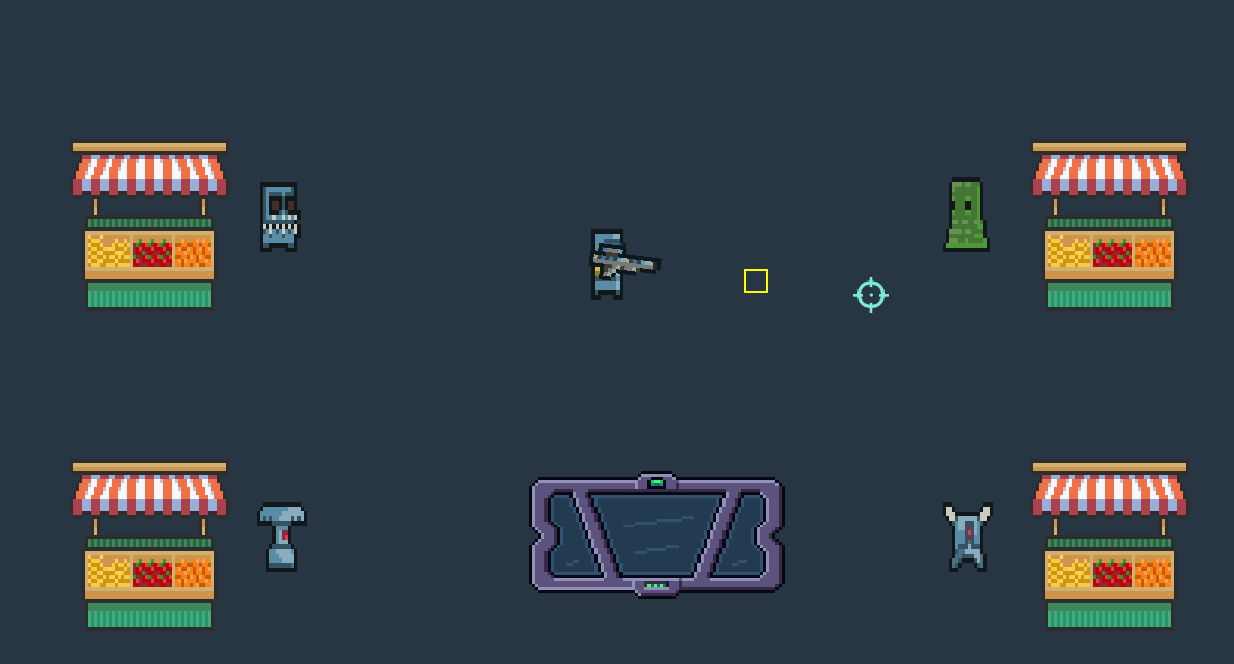
NPC Roles
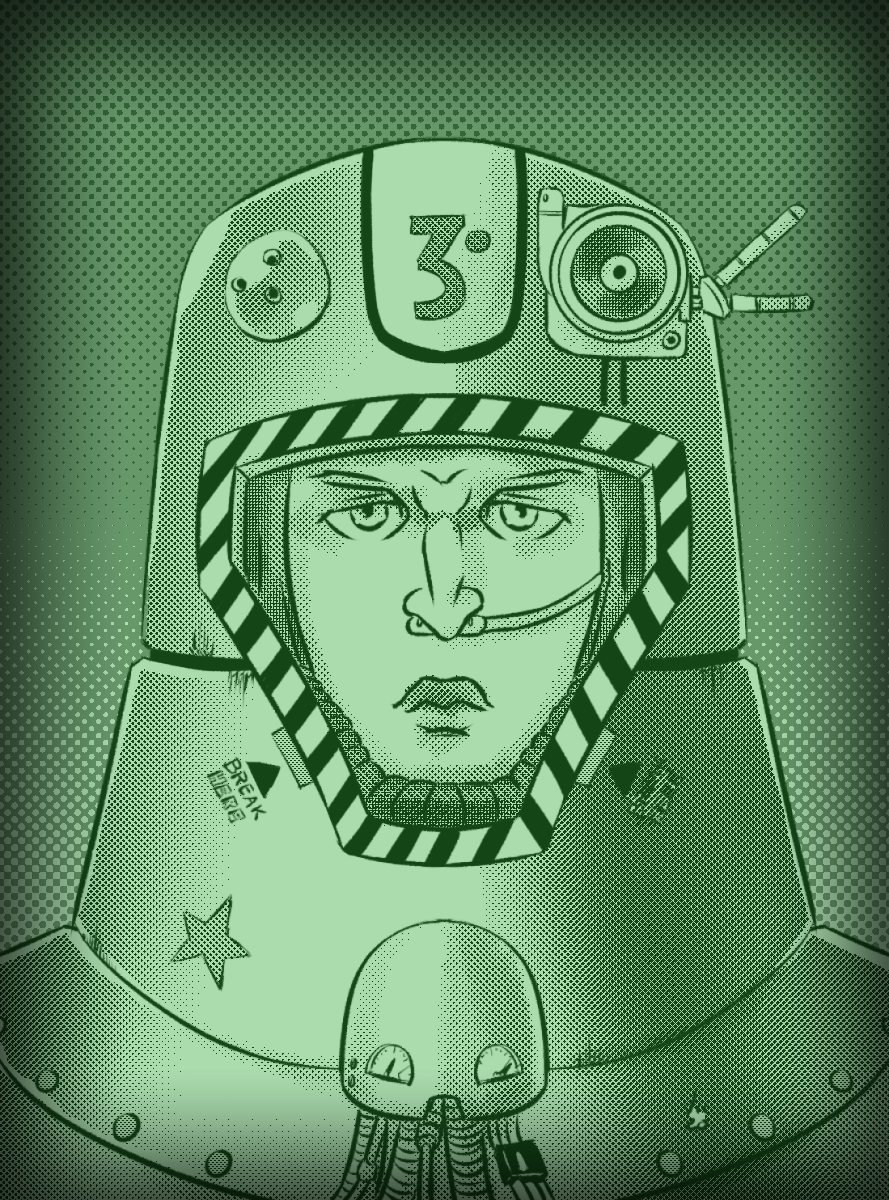
Gunther
Personality: Greedy.
Utility: Black market weapons and offensive progression support.
Cassandra
Personality: Passionate.
Utility: Character customisation and style identity choices.
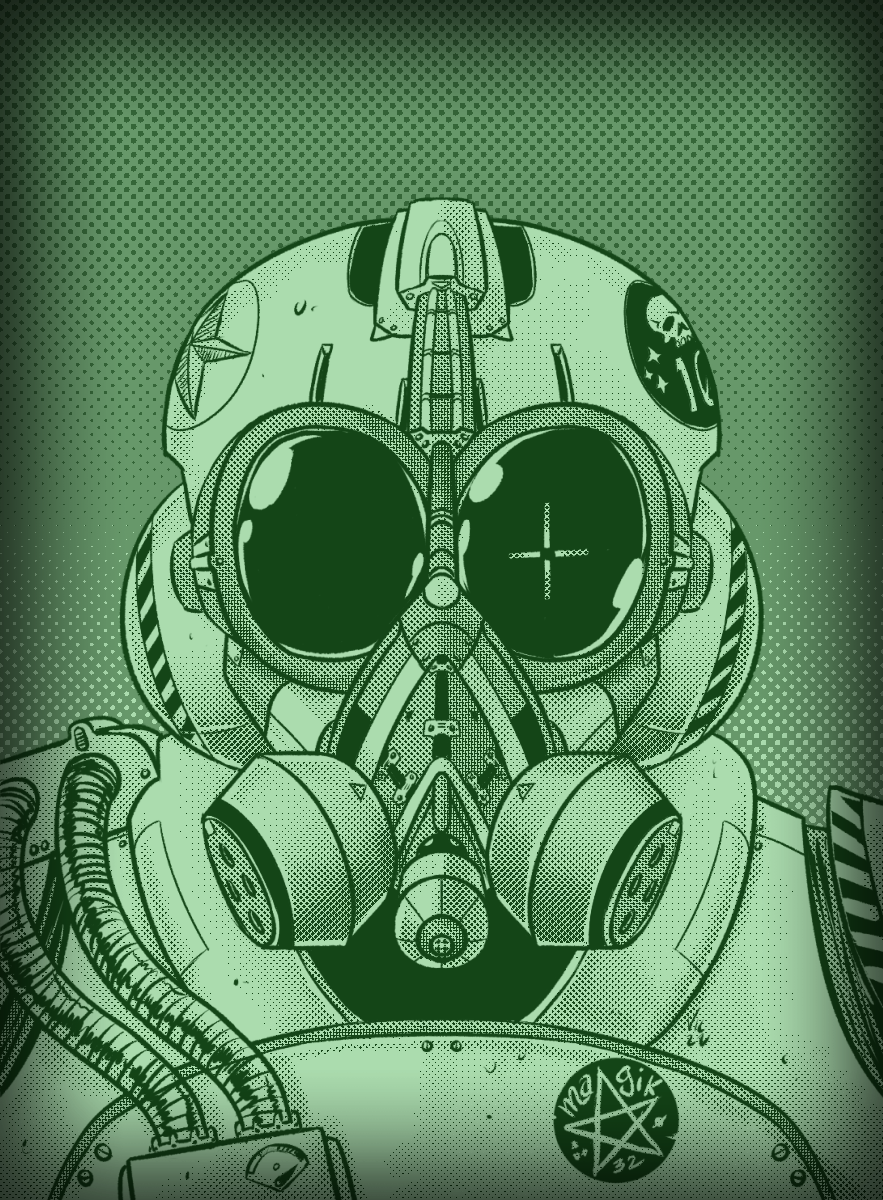
Arnold
Personality: Professional.
Utility: Armory and weapon/loadout management support.
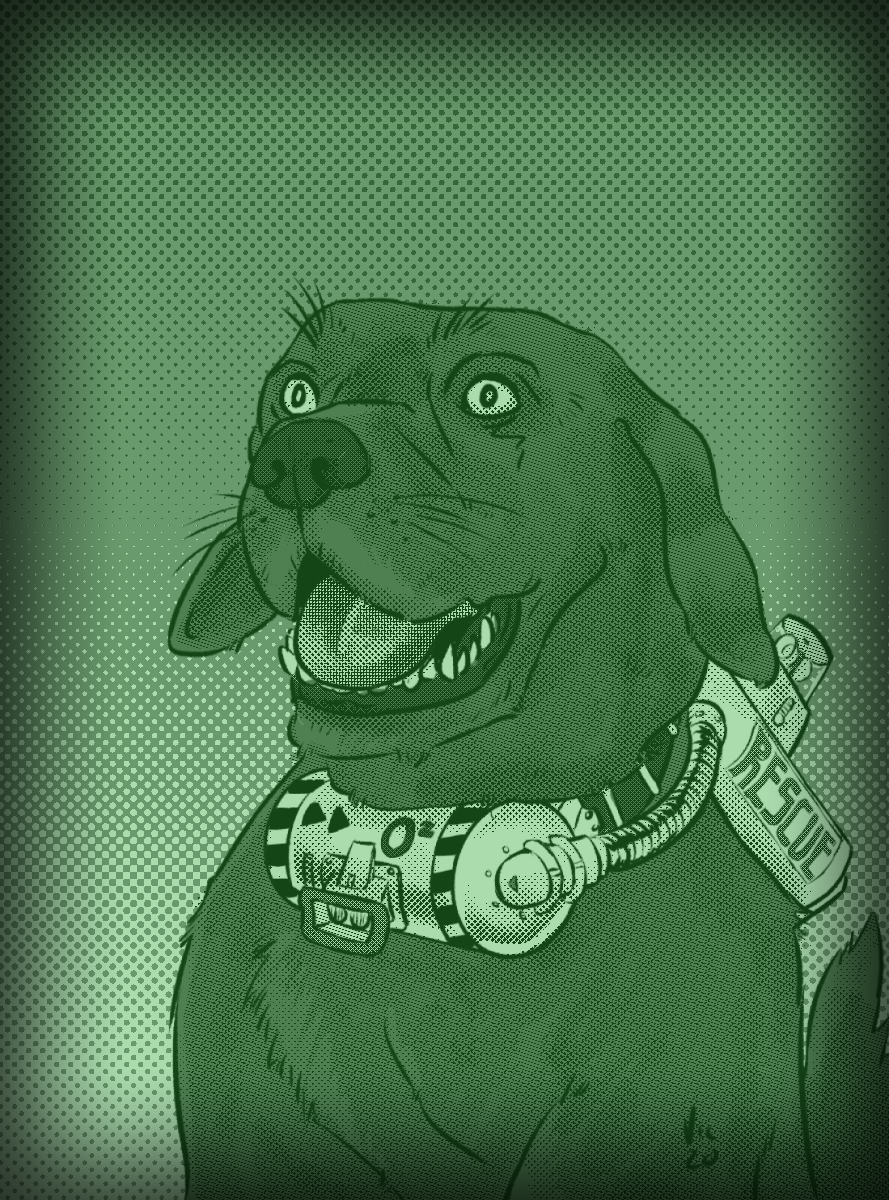
Petra
Personality: Friendly.
Utility: Med-bay support and survivability-focused progression.
Quest Loop
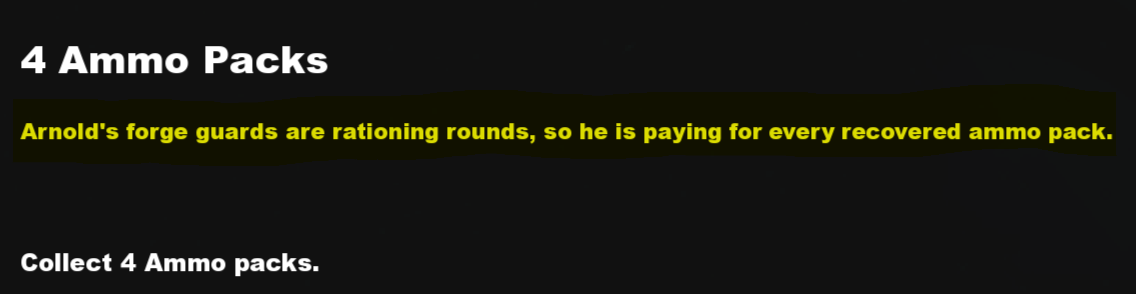
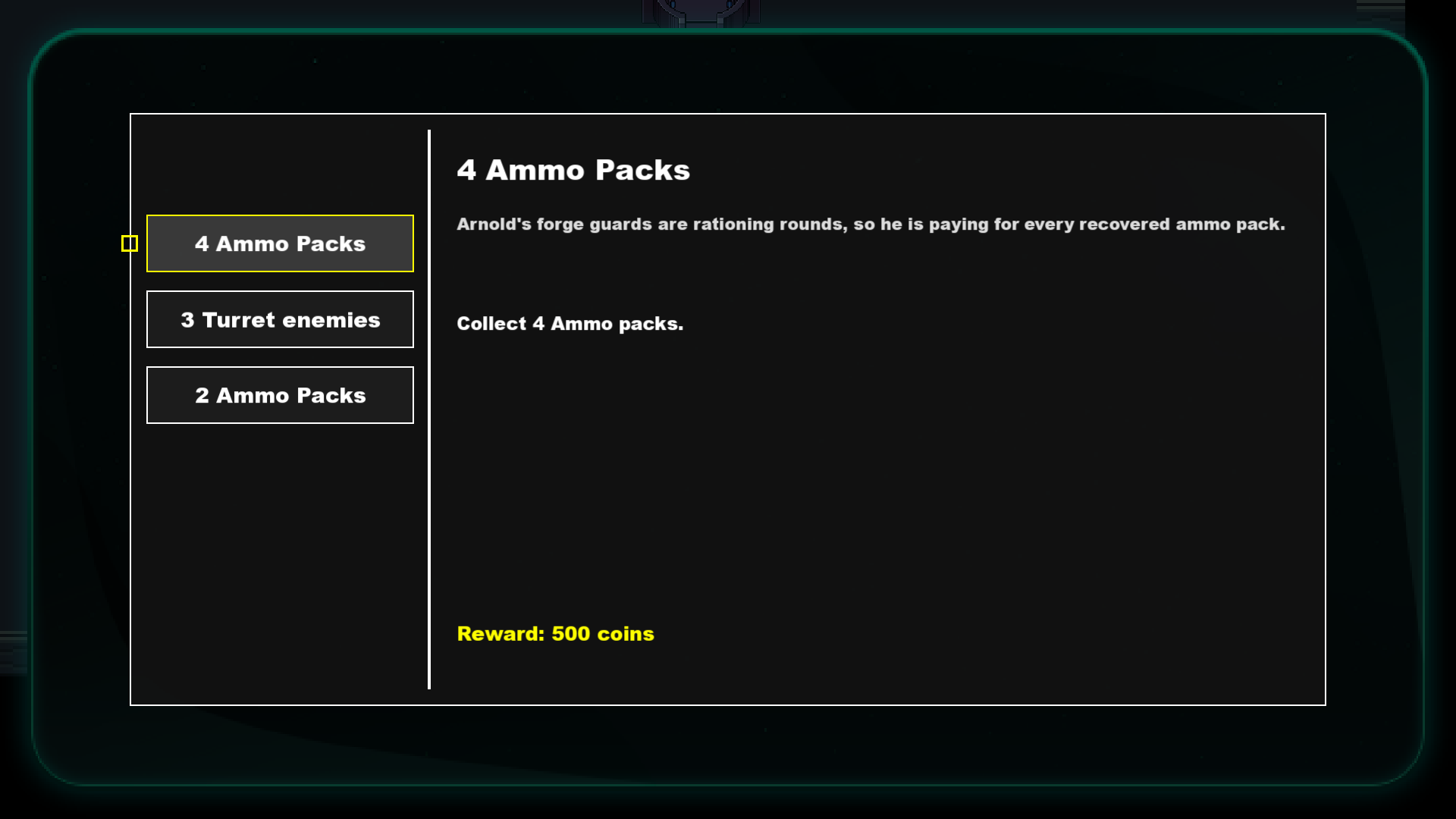
Kill and fetch contracts selected from the job board with reward payout on completion.
World Layout
Hub World (Stellaris 7) for prep and progression, Dungeon for combat rooms and floor traversal.
Technical Design Summary
Game Section
Goals and Technical Requirements
Playable loop, procedural progression, reliable collisions, and NPC interaction.
Central Game orchestrator with explicit ownership and subsystem integration.
Major Subsystem Overview
Input/player, enemy AI/combat, collisions, quests/economy, and room-floor-dungeon flow.
Room Generation Pipeline
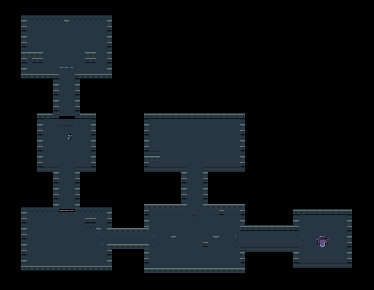
RoomPlan blueprint to RoomInstance runtime, with deterministic floors based on seeded graphs.
LLM Technical Summary
Goals and Constraints
Minimal game-friendly API, safe lifetime handling, and easy CMake integration.
Architecture Overview
LLMWrapper over llama.cpp with async service/job orchestration at game level.
Public API
LoadModel, UnloadModel, Generate.
Subsystems and Why They Exist
Backend init-once, RAII resource management, prompt/token pipeline, sampling, and detokenization.
About Me
A Game Designer born and raised in the heart of Lagos, Nigeria. I have been a passionate gamer since the tender age of 5 and a passionate Game Designer since I discovered it was a viable career path in 2019. I am inspired by games like Lies of P for its finely tuned combat mechanics, Hollow Knight for its excellence in level design and sense of discovery and The Outer Worlds for its deep characters and immersive RPG mechanics.
Currently I'm studying Computer Games Development at South Eastern Technological University - Carlow where I'm learning more technical tools of the trade while still self teaching myself more of the intricacies of game design through books written by reputable game designers and YouTube retrospectives on successful and unsuccessful games to learn what works, what doesn't and why.
Growing up, I was shaped by a lot of the games I played. Friendly competition with games like FIFA, pushing through adversity with games like Dark Souls, the thrill of exploration with games like Road Trip Adventure. Developers from my childhood had such a massive impact on my life and overall development. That's why I make games. To craft memorable and impactful experiences for gamers, just like developers before did for me. For Players, By a Player.